

 Facebook
 X
X
 Pinterest
 Copy Link
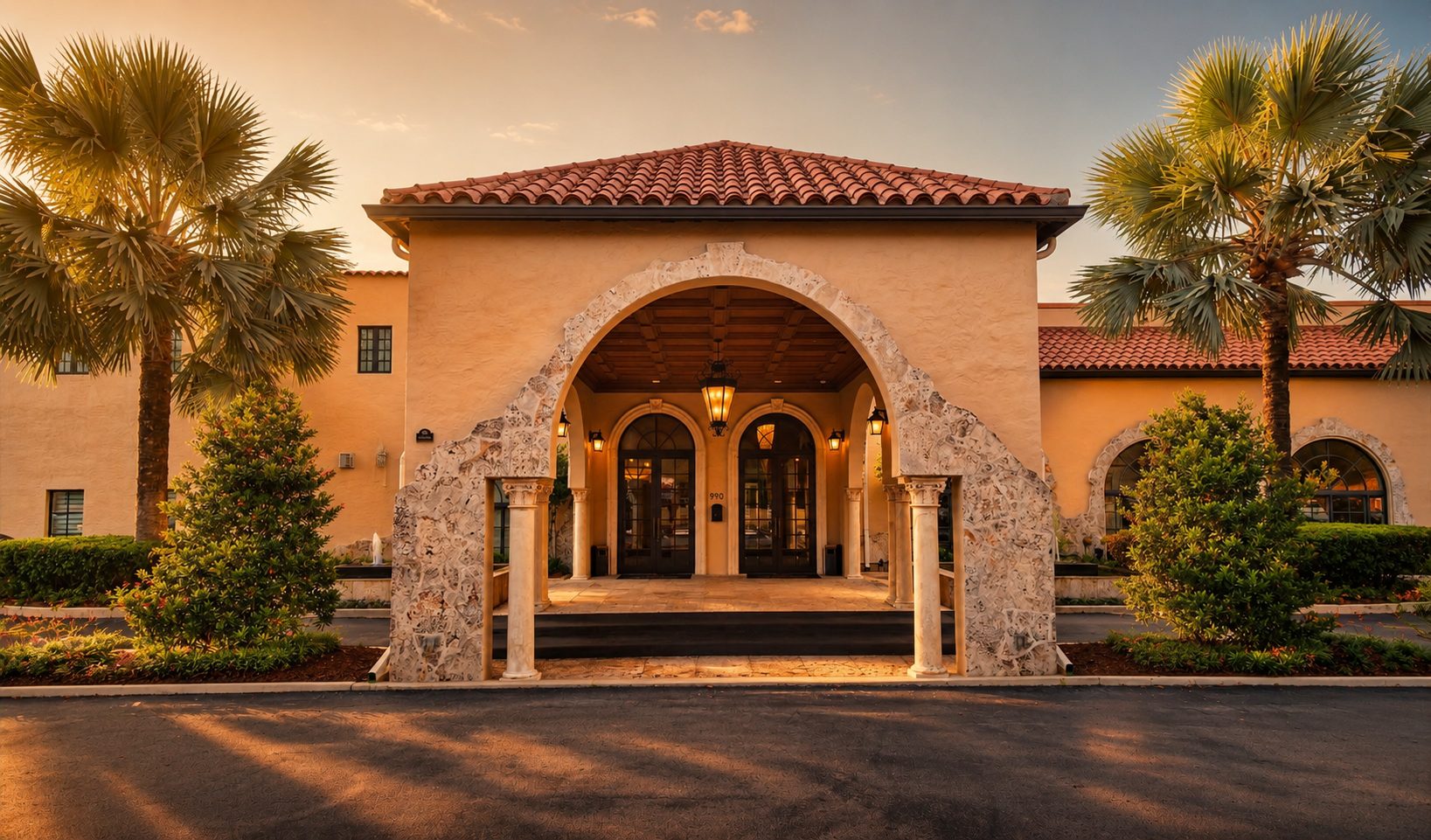 The Coral Gables Example: Where Heritage, Business and Quality of Life Meet
Modern cities are often evaluated through new construction, technology, transportation and economic growth. Yet some of their most valuable assets are not new at all.
They are the historic clubs, golf courses, tennis centers, parks, tree-lined streets and public gathering places that have connected residents for generations.
In Coral Gables, these spaces are not simply reminders of the past. They remain an active part of everyday life, contributing to the city’s identity, social fabric, business environment and overall quality of life.
Coral Gables is known as The City Beautiful for its historic landmarks, Mediterranean-inspired architecture, green avenues, public art and carefully planned neighborhoods. But the city’s character is experienced not only through its buildings. It is also found in the way people use and share its public and recreational spaces. (Coral Gables)
More Than Recreation
Consider the historic Coral Gables Golf & Country Club.
Developed by Coral Gables founder George Merrick and built in 1922, it was the city’s first public building. More than a century later, it continues to represent an important connection between Coral Gables’ history and its contemporary community life. (Coral Gables)
Nearby, Granada Golf Course offers another powerful example. Designed and opened in 1923, the nine-hole, par-36 municipal course is recognized by the city as the oldest continuously operating nine-hole golf course in Florida. Its location near downtown makes it part of the urban landscape rather than a recreational facility separated from it. (Coral Gables)
On any given day, these areas may bring together golfers, professionals meeting informally, residents exercising, families enjoying the surroundings and people simply walking beneath the trees.
That combination is important.
A golf course, tennis center, park or country club can provide recreation, but it can also encourage conversation, build relationships and create a stronger sense of belonging.
Where Business Relationships Develop Naturally
In business, many of the most valuable relationships do not begin in a formal conference room.
They begin during a round of golf, over coffee after a morning walk, beside a tennis court or through a spontaneous conversation at a neighborhood event.
Historic community spaces create an environment where these interactions can happen naturally.
Golf, in particular, has long been connected with professional networking because it gives people time to communicate without the pressure of a traditional meeting. Tennis, fitness activities and community programs can serve a similar role, bringing together residents from different professions and backgrounds.
These spaces help transform a collection of houses and commercial buildings into a genuine community.
For entrepreneurs, real estate professionals, local business owners and civic leaders, being present in community spaces also provides a deeper understanding of the people they serve.
You learn what residents value, what concerns them and how the city is evolving.
That knowledge cannot always be obtained from statistics or market reports. It comes from participation.
Recreation Is Also an Economic Asset
Quality of life is increasingly connected to economic competitiveness.
Companies, professionals and families do not select a city based only on office space or property prices. They also consider parks, recreational opportunities, walkability, cultural life, architecture and the overall experience of living there.
Coral Gables benefits from an extensive network of more than 60 parks and open spaces, along with facilities including Granada Golf Course, the Coral Gables Golf & Country Club, the Salvadore Tennis Center and the William H. Kerdyk Biltmore Tennis Center. (Coral Gables)
These amenities strengthen residential appeal, support nearby businesses and contribute to property desirability.
A morning round at Granada, an afternoon tennis match, a walk along the city’s green avenues or a community gathering at the Country Club may appear to be leisure activities. Collectively, however, they form part of Coral Gables’ economic and social infrastructure.
They help attract residents, visitors, investment and talent.
Walking Through the Identity of a City
One of the best ways to understand Coral Gables is simply to walk through it.
Walking allows us to notice details that are easily missed from a car: the coral-rock architecture, mature trees, historic entrances, gardens, waterways and the relationship between neighborhoods and public spaces.
For me, walking around the Country Club and Granada area is not only a form of exercise. It is an opportunity to observe the community, appreciate the natural environment and reflect on how thoughtful urban planning can influence daily life.
These walks often reinforce an important idea: cities need places where people can slow down.
In a world increasingly dominated by screens, remote work and fast transactions, physical community spaces offer something technology cannot replace—the opportunity to be present, to encounter others and to feel connected to a specific place.
Preservation Must Include Participation
Preserving a historic building is important, but preservation should not mean turning it into a monument that people only admire from a distance.
The most successful historic spaces are those that remain useful, accessible and integrated into modern community life.
They should host events, recreation, educational programs, social gatherings and opportunities for local businesses and organizations to participate.
When a historic property continues to serve residents, it does more than preserve architecture. It preserves community memory while creating new memories for future generations.
That is why revitalization must balance respect for history with contemporary needs.
A Model for Modern Cities
Coral Gables demonstrates that history and progress do not need to compete.
A city can welcome innovation, business growth and new development while continuing to protect the places that define its character.
The Coral Gables Golf & Country Club, Granada Golf Course, local tennis centers, parks and walkable green spaces are valuable because they connect several essential elements of urban life:
Heritage. Recreation. Wellness. Business. Relationships. Community.
These places remind us that a successful city cannot be measured only by how much it builds.
It must also be measured by the experiences it creates, the relationships it encourages and the sense of belonging it offers.
Historic community spaces still matter because people still need places to meet, move, relax, communicate and participate in the life of their city.
And in Coral Gables, these spaces remain part of what makes the City Beautiful not only beautiful to see—but meaningful to live in.
#CoralGables #CityBeautiful #CommunityDevelopment #HistoricPreservation #Golf #Tennis #QualityOfLife #BusinessNetworking #UrbanPlanning #RealEstate #SouthFlorida #CommunitySpaces
